Marrakech is a city that moves to the rhythm of color, craft, and centuries-old ritual—and yet, within the Palmeraie oasis, Palais Ronsard invites you to slow that rhythm to a serene heartbeat. This intimate retreat celebrates Morocco’s design language—zellige tiles, tadelakt walls, carved cedar—while adding a refined lightness that feels timeless rather than nostalgic. You arrive to scent: roses in the garden, orange blossom in the air, mint in your tea. You settle into quiet: birds in the palms, a fountain’s hush, the soft clink of porcelain at breakfast. The city’s pulse remains close, but at Palais Ronsard it is tuned to calm, creating a sanctuary where heritage is not just observed—it is lived.
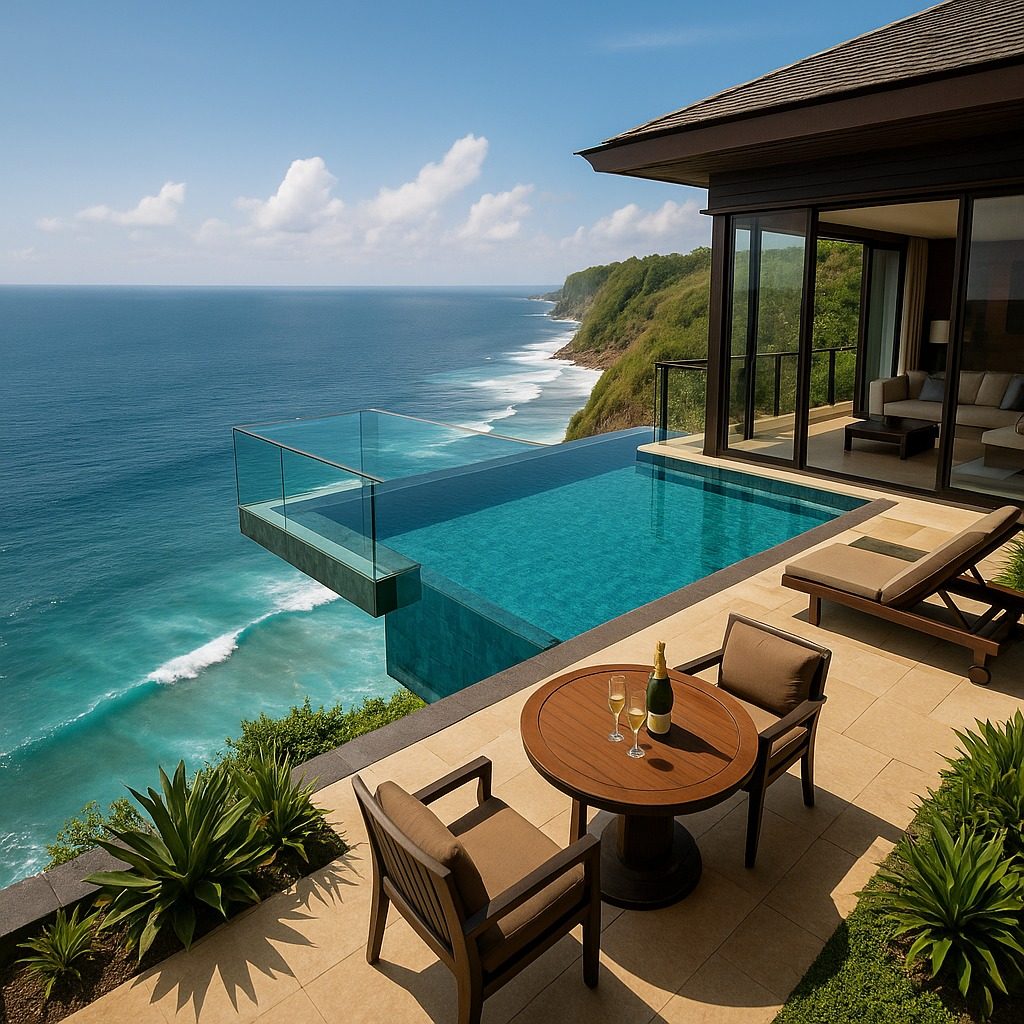
Garden poise in the Palmeraie
The hotel’s gardens act as a natural antechamber to every experience. Paths weave between palms, cypress, and rose beds toward intimate courtyards and secret sitting nooks. Mornings unfold beneath soft sun, when light pools on the water’s surface and dragonflies trace the edge of the main pool. By afternoon, shaded pergolas become reading corners; at dusk, lanterns glow and the property turns cinematic. The setting is more than backdrop—it’s an invitation to linger, to breakfast slowly, to let time stretch while Marrakech hums at a respectful distance.
Suites with soul
Guest rooms channel a graceful dialogue between Art Deco elegance and Moroccan craft. Think patterned floors set against cream tadelakt, vintage mirrors framed by warm brass, and textiles in a restrained palette that lets texture do the talking. Many suites open to private terraces or gardens, where bougainvillea peeks in and the breeze carries faint notes of jasmine. Bathrooms feel like small hammams in their own right—arched entrances, sculpted basins, deep soaking tubs—staging slow rituals that begin and end the day. It’s not maximalist opulence; it’s edited luxury with a heartbeat.
The ritual of wellbeing
Wellness at Palais Ronsard is delightfully unhurried. Begin with a traditional hammam: black soap cleanse, steam to soften, kessa exfoliation that polishes the week away. Continue with argan oil massages or herbal compress therapy that blends Berber traditions with modern technique. Between treatments, drift to the pool for shadow-and-sun sessions or sip an infusion of verbena and mint. Here, self-care belongs to the cadence of place: patient, sensory, and rooted in craft.
A taste of time
Dining leans into seasonal Moroccan produce and slow-cooked flavors. Expect tagines perfumed with preserved lemon, couscous crowned with vegetables from nearby gardens, and pastries that flake at the lightest touch. Breakfast is a love letter to mornings: warm msemen, local honey, fresh citrus, yogurt with dates. Evenings bring candlelit tables, a glass of regional wine, and an easy tempo that encourages conversation. It’s cuisine that honors origin and evolves without fuss, served in rooms and terraces that feel like a private home.
Doorway to discovery
While the property excels at stillness, it’s also a polished launch pad for the city. In minutes you can be at the medina, following spice-scented lanes to ateliers where artisans hammer copper, inlay wood, and dye leather by hand. Guided walks reveal riads and gardens that tell Marrakech’s layered story; day trips reach the Atlas foothills for easy hikes and lunch in cool mountain air. Return, always, to the hotel’s hush—where the city’s vividness resolves into a soft afterglow.
Q&A and recommendations
Q: Who will love Palais Ronsard most?
A: Couples and culture seekers who value design, quiet, and artful service. It’s also ideal for solo travelers seeking restorative space between forays into the medina.
Q: When is the best time to visit?
A: Spring (March–May) and autumn (late September–November) bring gentle temperatures and soft light, ideal for gardens, rooftop sunsets, and long city walks.
Q: What should I book in advance?
A: A hammam-and-massage ritual, a private medina guide focused on artisan workshops, and a dinner table in the garden for golden-hour dining.
Q: Is it family-friendly?
A: Yes—opt for larger suites or connecting rooms and plan mellow city excursions balanced with pool time and outdoor breakfasts.
Q: Alternatives with a similar spirit?
A: Royal Mansour Marrakech (palatial craftsmanship, ultra-private riads), La Mamounia (legendary gardens and heritage glamour), Amanjena (serene Moorish geometry and space), Riad Farnatchi (boutique intimacy in the medina), and Kasbah Tamadot in the Atlas (mountain calm with Moroccan character).
Q: How long should I stay?
A: Three to four nights strikes a balance: one day for medina immersion, one for wellness and garden time, and one for the Atlas or a culinary deep dive.
Conclusion
Palais Ronsard distills Marrakech into a living, breathing sanctuary—where craft is tactile, hospitality is intuitive, and time is willingly surrendered. You’ll carry away more than photographs: the memory of steam and rose water, the echo of call to prayer merging with birdsong, the sensation of a garden that seemed to slow the day on your behalf. This is Moroccan heritage practiced with rare composure—an exclusive, quietly luminous experience that feels, from the first mint sip to the last, like calm found and kept.