There is a special kind of luxury that outlasts trends: the feeling of waking up inside history, where centuries-old craft, timeless architecture, and living traditions frame every view. “Eternity hotels” are not just places to sleep; they are gateways to heritage—where stone, ritual, and story guide your day from sunrise to candlelit dinner. These stays pair refined comfort with cultural intimacy, so the souvenirs you carry home are not trinkets but memories: temple bells at dawn, the patina of palace courtyards, and flavors taught by hands that learned from ancestors.
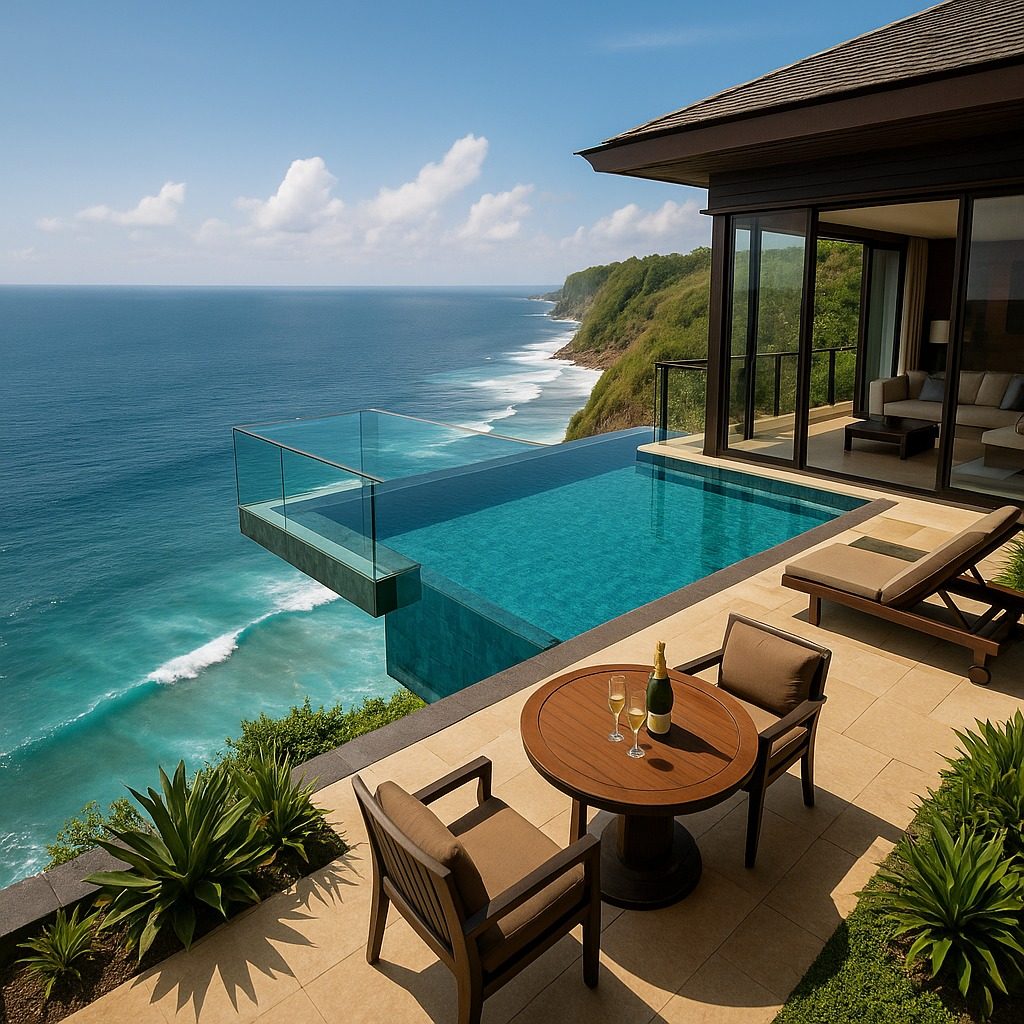
Temple-View Tranquility — Amanjiwo, Central Java
Cradled among limestone hills and terraced villages, Amanjiwo looks toward the ancient stupas of Borobudur. Mornings begin with soft gamelan notes and mist drifting over volcanic plains. Suites are sculpted in blush stone and arranged around a circular colonnade, evoking classical Javanese geometry. Walk with a village guide to meet batik artisans, join a jamu (herbal) workshop, and return to dine on gudeg or smoked duck under lantern light. The experience is quietly ceremonial—less like staying at a hotel and more like being welcomed into a living archive.
Lake-Born Legend — Taj Lake Palace, Udaipur
Floating like a marble mirage on Lake Pichola, the 18th-century Taj Lake Palace turns every arrival into theater: a boat gliding toward latticed balconies and courtyards perfumed by rose. History here is tactile—cool inlaid floors, hand-carved jharokhas, and murals telling stories of Mewar nobility. Sunset thali dinners unfold with tabla rhythms and the glow of nearby City Palace. By day, learn miniature painting from a local master; by night, sip spiced tea on a rooftop where the city’s palaces shimmer like constellations at water level.
Alhambra at Your Door — Parador de Granada, Spain
Inside the walls of the Alhambra, this former 15th-century convent ties Moorish heritage to monastic calm. You wander from Nasrid courtyards to your garden terrace without crossing a modern street. Rooms reveal wood ceilings and arabesque hints; the restaurant plates Andalusian flavors—salmorejo, tender oxtail—paired with local sherry. Between palaces and Generalife gardens, you feel the continuum of cultures that shaped Granada. Evenings end with the soft hush of cypress trees and the sensation that time itself slows in this fortress above the city.
Khmer Grandeur Reimagined — Raffles Grand Hotel d’Angkor, Siem Reap
Opened in the 1930s, Raffles is a colonial-era classic refreshed for today, five minutes from Angkor’s jungle-wrapped temples. Mornings start before dawn with a private guide at Angkor Wat; later, cool off beside a vast pool designed like a royal bathing pond. Back at the hotel, a resident historian leads a salon-style talk on Khmer art, while the Elephant Bar pours a signature sling infused with local botanicals. From apsara dance showcases to silk workshops, every detail bridges elegance with the living heartbeat of Cambodian culture.
Q&A: How to Design Your Heritage-Luxe Escape
What makes a hotel feel truly “eternal”?
It’s the fusion of place, craft, and continuity. Look for properties embedded in or adjacent to heritage landmarks, where local artisans, historians, and chefs actively participate in your stay—through tours, workshops, and menus that preserve tradition rather than merely reference it.
How do I plan experiences that respect local culture?
Book community-led activities: temple etiquette walk-throughs, artisan studio visits, market tours with resident chefs. Dress modestly where appropriate, learn a few greetings, and choose small-group or private guides who prioritize preservation and give back to local communities.
When is the best time to go?
Shoulder seasons are your friend. For temple sites and fortified cities, early mornings or late afternoons offer softer light, fewer crowds, and cooler temperatures—ideal for photography and unhurried exploration.
Any other hotels to consider for cultural immersion?
• Belmond Hotel Monasterio (Cusco, Peru) — a former monastery with Andean baroque art and oxygen-enriched rooms for altitude comfort.
• Pera Palace Hotel (Istanbul, Türkiye) — Belle Époque icon linking Europe and Asia with literary lore.
• La Mamounia (Marrakech, Morocco) — palace gardens, zellige tilework, and Moroccan ritual at scale.
• Parador de Santiago de Compostela (Spain) — pilgrims’ history woven into cloisters and Galician cuisine.
• The Gritti Palace (Venice, Italy) — canal-side salons layered with Venetian craft and venerable views.
Conclusion: Where Time Becomes Your Host
Eternity hotels let you inhabit the soul of a destination, not just observe it. You dine where nobility once entertained, sleep within fortress walls, and learn from the very artisans who keep tradition alive. Between pre-dawn temple meditations and courtyard evenings scented by jasmine, you collect experiences that are both rare and rooted. This is luxury with lineage—an exclusive passage into living heritage, where every moment feels made to last.