There is a certain hush that only the treetops know—a quiet threaded with birdsong, filtered sunlight, and the soft drift of mist at dawn. “Jewel Villas Hidden in Forest Canopy Retreats” captures that hush and turns it into a stay: elevated sanctuaries where architecture yields to nature, where your morning coffee arrives with the rustle of leaves and your evening bath looks straight into a cathedral of green. These villas don’t shout luxury; they whisper it through textures, temperature, scent, and sound—hand-hewn timber underfoot, rain pattering on a living roof, the resinous perfume of cedar, and the far-off murmur of a river you’ll hike to tomorrow. Each hideaway below refracts the forest mood like a gemstone, offering a different facet of canopy life.
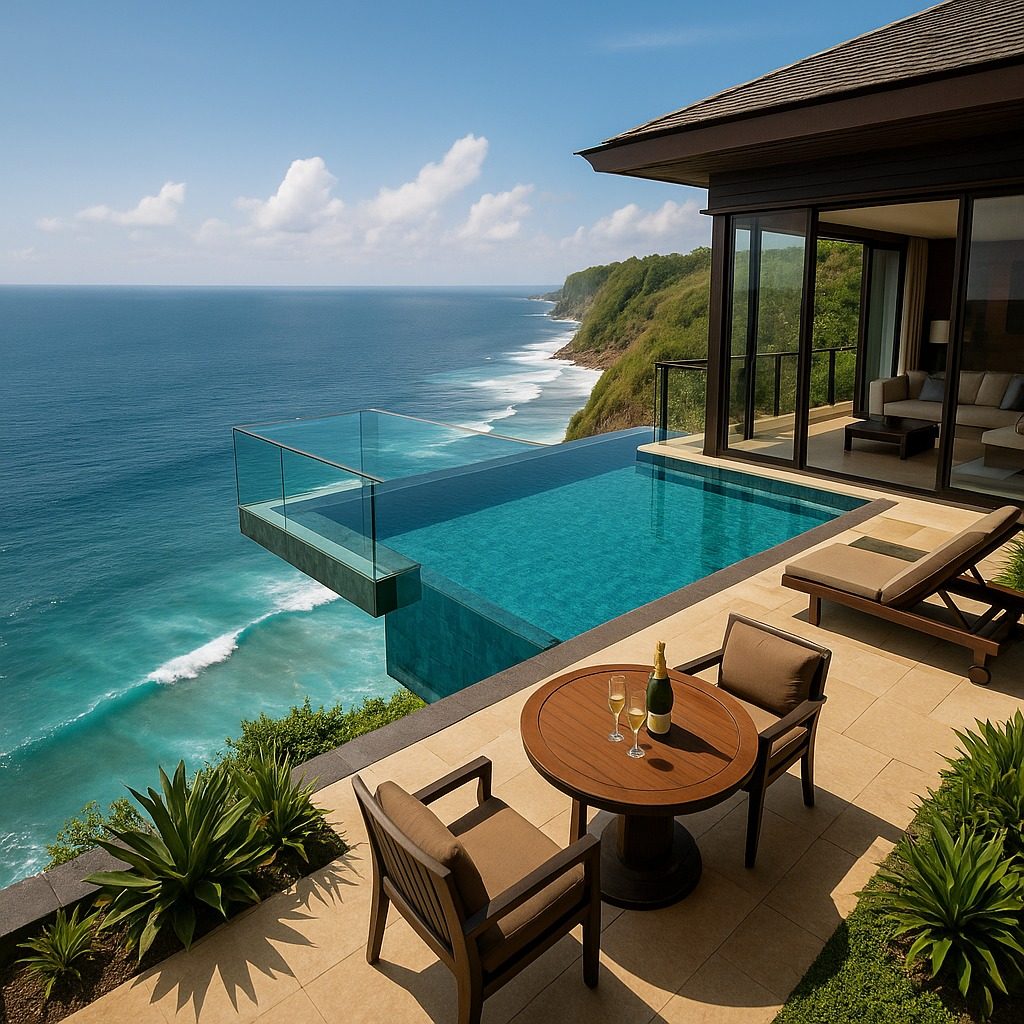
Emerald Canopy Pavilion
Emerald is for seekers of calm. Suspended along a discreet boardwalk, this villa opens to a wraparound deck wrapped in epiphytes and ferns. The bedroom sits like a lantern above the understory; slide the doors back and the forest becomes your lounge, with hammocks facing a green ocean of leaves. The experience is meditative: an on-deck tea ceremony at sunrise, a guided “forest bathing” session to slow your breath, and a soak in a stone tub perfumed with crushed kaffir lime leaf. At night, a tuck-down ritual swaps bedside chocolates for native fruit and a printed star map tailored to the evening sky.
Ruby Rain Spa Villa
True to its name, Ruby revels in warmth and ritual. Its heart is a hydrotherapy deck where a heated plunge pool, misting jets, and a cedar sauna recreate the sensations of forest rain. Therapies are botanically driven—ginger compresses, cinnamon scrubs, wild honey masks—sourced from local foragers and small farms. Inside, crimson textiles and low lighting cocoon the space, while a fireplace adds a gentle crackle to the soundtrack of tree frogs. Dinner is served on a covered terrace as showers pass through, the roof drumming softly while you savor a spice-forward tasting menu designed to awaken the senses.
Sapphire Skybridge Residence
Sapphire is the explorer’s jewel. A graceful skybridge links living and sleeping pavilions, framing cinematic views of the canopy and the river shoals below. Morning begins with binoculars and a naturalist briefing—flowering ficus means hornbills; fresh scratches on a fig trunk suggest porcupines nearby. Afternoons are for movement: canopy zip-line runs led by conservation guides, slow-water kayaking among hanging roots, or a trail to a waterfall pool known mostly to rangers. Come dusk, the bridge transforms into a private observatory with a small telescope and a curated field guide to constellations seen through the forest’s shifting veil.
Amethyst Firefly Hideaway
Amethyst leans into night magic. Lantern-lit pathways lead to a nest-like lounge fitted with mesh walls that vanish into darkness. After a chef’s picnic of charcoal-grilled river prawns, you embark on a guided bioluminescence walk—fireflies pulsing across the understory like strands of amethyst light. Back at the villa, a silent-movie projector casts vintage nature reels onto a canvas screen while you sip cocoa infused with wild vanilla. The bed sits high under a net canopy, cool air moving softly through, and somewhere in the distance an owl calls once, then again, as sleep takes you.
Q&A and Other Recommendations
Who are these canopy villas best for?
Couples seeking intimacy, solo travelers craving reconnection, and small families with older children who appreciate quiet adventures. The pace is restorative rather than rushed—perfect if you’d trade a crowded viewpoint for a hidden river bend.
What experiences define a canopy retreat?
Guided dawn birding, forest-bathing walks, waterfall swims, and slow craft: leaf-printing, herbal distillation, or bread baked with wild starter. Culinary programs often highlight foraged ingredients and low-impact cooking over charcoal or wood.
How do these villas approach sustainability?
Expect small footprints: raised foundations to protect roots, rainwater harvesting, and partnerships with local conservation groups. Many retreats limit motorized activities and privilege hand-built, repairable materials over disposable luxury.
When is the best time to go?
Shoulder seasons are ideal: enough rain to keep the forest fragrant and alive, but with gentler humidity and fewer travelers. Early mornings and late afternoons deliver the richest wildlife moments, whatever the month.
What should I pack?
Light layers, quick-dry fabrics, trail shoes with good grip, a compact rain jacket, and a soft-brim hat. Bring binoculars and a small field notebook—you’ll be surprised how satisfying it is to record birds, blooms, and sounds.
Other hotels with a similar mood?
Look to treetop pool villas in Phuket’s inland forests, glass-cabin hideouts on Sweden’s woodland fringes, river-hugging jungle lodges in Borneo, and cloud-forest eco-retreats in Ecuador. Each pairs elevated design with an immersive, nature-first ethos.
Are these stays kid-friendly?
Many are, but check minimum age policies due to elevated walkways and steep terrain. Families often book adjacent pavilions and opt for guided activities tailored to younger naturalists.
Conclusion
“Jewel Villas Hidden in Forest Canopy Retreats” is not simply a place to sleep; it’s a way of listening—of noticing the forest’s tempo and letting it reset your own. Whether you choose Emerald’s stillness, Ruby’s sensory warmth, Sapphire’s exploratory spirit, or Amethyst’s nocturnal glow, each villa grants an exclusive kind of luxury: privacy woven into living nature, rituals rooted in place, and memories that smell like rain on leaves. Up here in the green, you don’t escape the world—you finally hear it.