There’s a particular hush that settles over vineyard valleys at golden hour—the rows of vines glow like threads, the air carries a subtle sweetness of crushed leaf and sun-warmed earth, and time seems to slow to the rhythm of harvest. “Paradise Hotels Hidden in Vineyard Valleys” celebrates stays that live inside this quiet magic. These are not merely places to sleep; they’re pocket worlds where terroir shapes your day: breakfast on a terrace misted with river breeze, an afternoon soak scented with cypress and lavender, a candlelit dinner paired to the slope where the grapes were grown. Below, discover four escapes—each with its own flavor—followed by a quick Q&A and extra recommendations to keep your wishlist full.
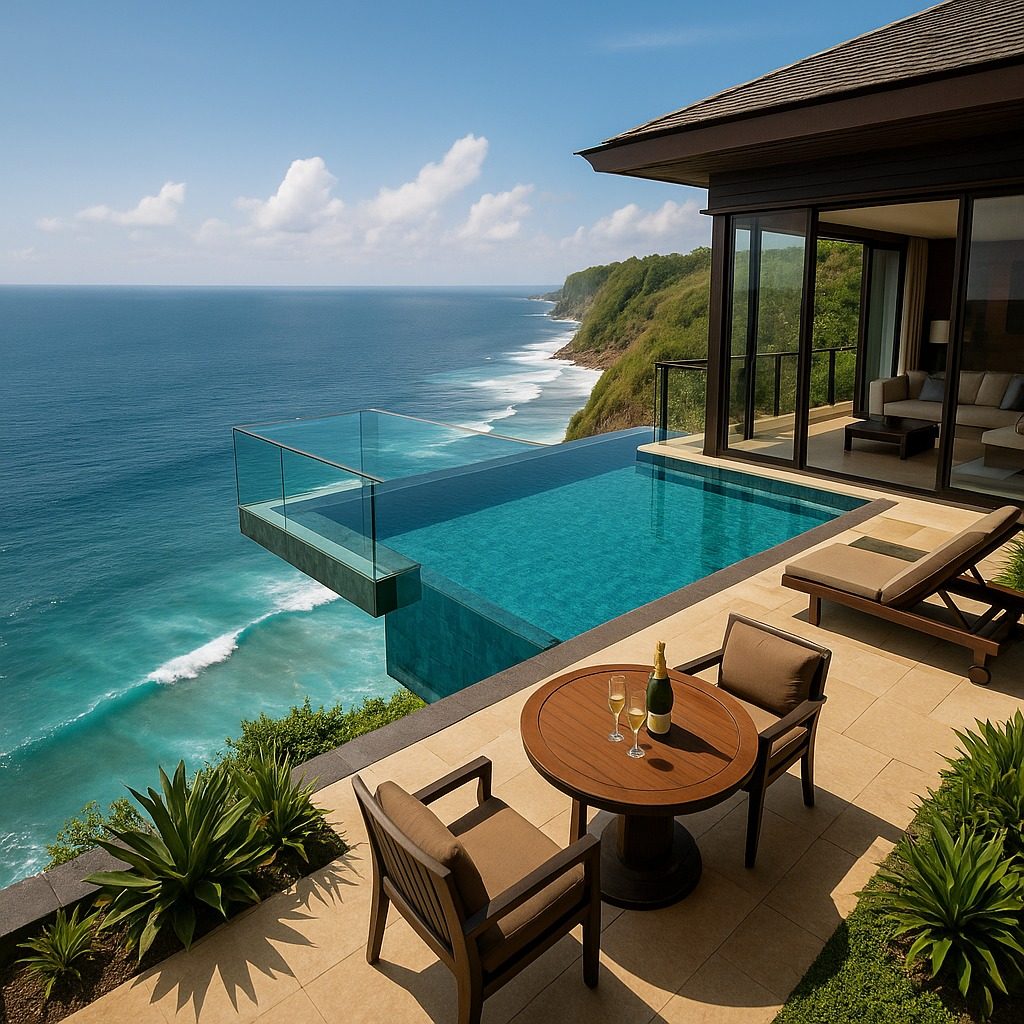
Velvet Crest Manor, Douro Valley
Carved into a terraced hillside above the Douro, Velvet Crest Manor pairs azulejo-lined salons with floor-to-ceiling views of the river’s long silver ribbon. Wake to birdsong and the rustle of leaves, then wander down for a private barrel-room tasting where tawny and ruby ports tell stories of slate and sun. The spa draws on vineyard botanicals—think grapeseed scrubs and honey-thyme compresses—while the rooftop plunge pool turns sunset into an evening ritual. Dinner unfolds on a stone terrace where wood-roasted octopus, olive oil from the estate grove, and a field blend red make an effortless trio. By night, the valley goes star-dark and quiet enough to hear the river turn.
Montepietra Relais, Tuscany
At the end of a cypress-lined lane, Montepietra Relais is a Tuscan farmhouse reimagined in soft limestone and linen. Suites look onto sandy-green vines and far hills punctuated by bell towers; the infinity pool seems to pour into the rows below. Mornings start with ricotta, figs, and chestnut honey; afternoons might be spent on e-bikes between villages, pausing for a glass of sangiovese at a family cantina. The kitchen leans rustic and precise—hand-cut pappardelle with ragù bianco, grilled bistecca, olive oil gelato—best savored in the pergola as swallows arrow overhead. When the tramonto strikes, the vines blush bronze, and the estate sommelier opens a vertical tasting that maps vintage to memory.
Cloudsong Estate, Napa Valley
Cloudsong is where contemporary California meets vineyard calm. Low-slung pavilions, wide porches, and a firelit lounge keep everything stylish but easy. Days swing between cellar tours and a chef’s table inside a candle-lit cave; evenings bring live acoustic sets under the oaks. The estate’s “blending lab” is a highlight: you’ll measure cabernet, merlot, and petite verdot into your own micro-cuvée, cork it, and walk out with a label bearing your name. For the wellness-inclined, sunrise yoga faces the vines, followed by a citrus-grapeseed massage. Come autumn, harvest breakfasts arrive in wicker baskets—warm pastries, stone fruit, and a crisp estate blanc—delivered straight to your porch.
Franschhoek Secret Pavilion, Cape Winelands
In a valley framed by blue-grey mountains, this Cape-Dutch hideaway trades spectacle for subtlety. Whitewashed gables, reed-thatched ceilings, and pocket gardens perfumed with fynbos set the mood. Start with MCC (South Africa’s elegant sparkling) and oysters beneath the oaks; later, wander art galleries in Franschhoek village or join a vineyard tram that rattles past orchards and old farmsteads. Back at the pavilion, a wood-burning hot tub faces a quilt of vines. Dinner leans terroir-driven—karoo lamb, garden herbs, local cheeses—paired with silky pinotage or cool-climate chardonnay. When the wind hushes, you’ll hear frogs in the dam and—if luck holds—the distant thrum of a farm cricket choir.
Q&A: Planning Your Vineyard Escape
What’s the best time to go?
Harvest seasons bring energy and aroma—August to October in the Northern Hemisphere; February to April in the Southern. Spring is gentler and great for wildflowers; winter is quiet, lower-key, and often more affordable.
Is it all wine tastings, all the time?
Not at all. Many estates offer e-bike loops, truffle hunts, picnic kits, art walks, farmer’s-market tours, cooking classes, and sunrise hot-air ballooning. Ask about cellar blending sessions or library tastings for something special.
Are vineyard hotels family-friendly?
Plenty are. Look for properties with lawn games, kid-friendly pools, short walking trails, and picnic spots. Some estates can arrange grape-juice “tastings” and garden workshops for little ones.
Any tips for making it feel extra exclusive?
Book a hillside suite with a terrace, schedule a private barrel-room dinner, and ask the sommelier for a “sense of place” flight—five wines from five slopes, tasted in ascending altitude. Sunrise breakfasts among the vines are magic.
Can you recommend other vineyard-valley hotels to consider?
Yes—add these to your map: Six Senses Douro Valley (Portugal), Castello di Velona Thermal Spa & Winery (Tuscany), Auberge du Soleil (Napa Valley), Leeu Estates (Franschhoek), and The Louise (Barossa Valley).
Conclusion
Vineyard valleys make luxury feel unforced, like a conversation that flows because the setting handles the introductions. Whether you’re blending your own cuvée in Napa, tasting port above the Douro, drifting through Tuscan twilight, or toasting with MCC under a Cape moon, these hotels give you access to the rarest vintage of all: time that tastes distinctly of place. “Paradise Hotels Hidden in Vineyard Valleys” is your invitation to savor it—slowly, privately, and with a glass that never sits empty for long.