India’s palaces are more than architectural marvels—they’re living museums where courtyards still echo with courtly music, corridors glow with centuries-old portraits, and hospitality is delivered with a flourish worthy of maharajas. “Royal Heritage Hotels in India” gathers the country’s most storied stays into one glittering thread, inviting you to step through carved arches into a world of hand-painted frescoes, crystal chandeliers, and perfumed evenings under star-pricked skies. Here, history isn’t just told—it’s tasted in recipes passed down royal kitchens, felt in silk upholstery and cool marble underfoot, and seen in sunrise reflections on lakes and sandstone ramparts.
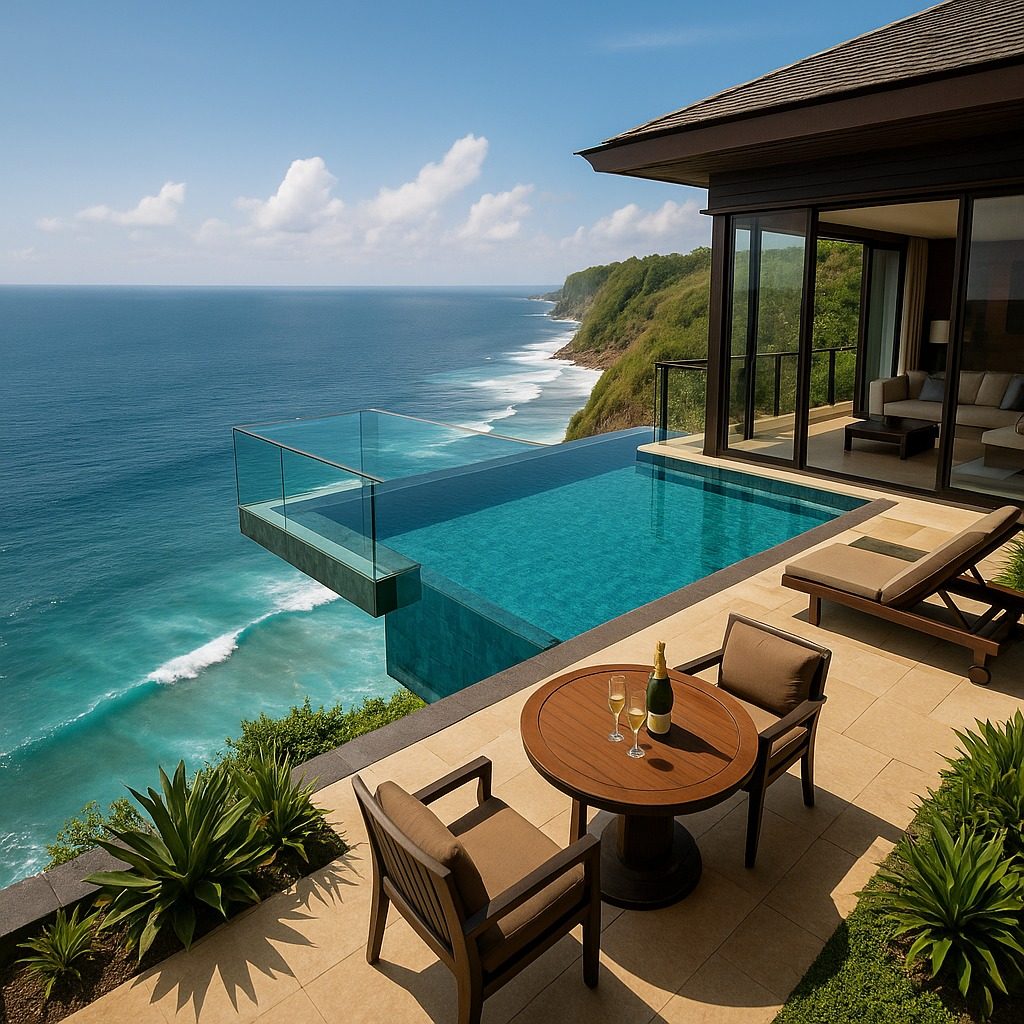
Taj Lake Palace, Udaipur — A Floating Dream in White Marble
Arrive by boat as the palace seems to levitate on Lake Pichola, its filigreed balconies mirrored in silver water. Suites glow with inlaid marble and jali screens; courtyards burst with frangipani and the soft spill of fountains. Champagne sunsets are an art form on the terrace, while candlelit dinners by the water lend an irresistible hush. This is a haven for romantics: discreet butler service, heritage thalis from royal Mewar recipes, and dawn boat rides that set the city’s palaces ablaze in gold.
Rambagh Palace, Jaipur — The Jewel of the Pink City
Once the residence of the Maharaja of Jaipur, Rambagh is a parade of peacock-dotted lawns, colonnaded verandas, and corridors lined with oil portraits. The Polo Bar whispers of imperial sport and smoky intrigue; afternoon tea in the garden turns into a tableau of parasols and pastries. Suites blend period antiques with modern indulgence, and the spa offers treatments inspired by Ayurvedic traditions. Between bazaar browsing and Amber Fort excursions, return for a torch-lit garden stroll that feels like a private durbar.
Umaid Bhawan Palace, Jodhpur — Art Deco Majesty Above the Blue City
Crowned on Chittar Hill, Umaid Bhawan gleams in golden sandstone—half royal residence, half museum, and wholly cinematic. Inside, a sweep of Art Deco geometry meets Rajasthani craft: sunburst motifs, gleaming floors, and hand-carved details. From the terrace, the indigo lanes of Jodhpur spill out below; at night, the fortress burns amber against the desert sky. Expect vintage car showcases, croquet on emerald lawns, and menus that reinterpret princely kitchens with contemporary finesse.
Taj Falaknuma Palace, Hyderabad — The Nizam’s Celestial Perch
“Falaknuma” means “mirror of the sky,” and this clifftop palace lives up to its name. Guests are often welcomed by a horse-drawn carriage before entering salons of Venetian chandeliers and French tapestries. The famed 101-seat dining table runs nearly the length of a ballroom, while the library—modeled after Windsor Castle—wraps you in leather-bound hush. Savour Hyderabadi kormas scented with saffron and rosewater, then step onto moonlit terraces where the city twinkles like spilled diamonds.
Neemrana Fort-Palace, Alwar — A Living Fort With Layered Courtyards
Fifteenth-century ramparts cascade over a hillside, stitched together by stairways, amphitheaters, and hidden nooks blooming with bougainvillea. Each room is different—some with swing beds, others with frescoed niches—so every stay feels like a discovery. Breakfasts arrive with mist rolling over the Aravallis; evenings bring folk music in torchlight. For the adventurous, zip lines whisk over the fort’s crenellations, offering a hawk’s-eye view of the desert patchwork.
Q&A: Quick Guide & More Royal Stays
Q: What makes a “heritage hotel” in India special?
A: Authentic lineage and architecture—often former palaces, forts, or colonial mansions—paired with ceremonial hospitality: traditional welcomes, heirloom recipes, curated museum rooms, and artisans keeping age-old crafts alive.
Q: When is the best time to visit?
A: October to March brings cooler, clearer days across most heritage hubs in Rajasthan and central India—ideal for fort explorations, alfresco dining, and desert sunsets.
Q: Are these hotels suitable for families?
A: Absolutely. Many offer interconnecting rooms, garden activities, storytelling sessions, and cultural performances that captivate all ages.
Q: Which other royal stays should I consider?
A: Try The Imperial, New Delhi (art-deco grandeur and colonial history), Samode Palace, Jaipur (frescoed halls and rural charm), Fateh Prakash Palace, Udaipur (lakefront romance), Rajmahal Palace RAAS Jaipur (pastel chic meets palace pedigree), and Ahilya Fort, Maheshwar (gorgeously perched over the Narmada).
Q: What kind of exclusive experiences can I expect?
A: Private terrace dinners with live sitar, curated palace walks with in-house historians, vintage car jaunts, bespoke spa rituals using Ayurvedic oils, and sunrise or sunset ceremonies that feel like pages from a royal diary.
Conclusion: Where History Wears a Crown
Royal heritage hotels in India promise more than a luxurious bed—they offer an immersion into living history, where every arch frames a story and every corridor carries a hush of ceremony. Whether you drift across Lake Pichola to a marble vision, sip tea on lawns once trod by maharajas, or dine beneath chandeliers that have watched a century of soirées, you’re not simply checking in—you’re being welcomed into a legacy. “Royal Heritage Hotels in India: Timeless Grandeur” is your invitation to experiences that are intimate yet imperial: moonlit terraces, perfumed courtyards, and the gentle choreography of hospitality refined over generations. Here, exclusivity is not loud; it’s the soft glide of a silver cloche, the whisper of silk, and the feeling that—just for a moment—history belongs to you.