The Moselle Valley is where time slows to the tempo of the river and the slopes glow with vines arranged like calligraphy on the hillsides. Medieval towns with slate roofs, storybook half-timbered houses, and sunlit terraces stitch the river’s bends, while cellars perfume the air with Riesling and slate. “Moselle Valley Bliss” means waking to mist lifting off the water, strolling through vineyards to a tasting room, soaking in a spa scented with herbs grown on the estate, and dining on trout, white asparagus, and fruit-bright wines under lantern-lit pergolas. These vineyard retreat hotels are not just places to sleep; they are doorways into terroir—each one tuned to the valley’s rhythm of river, rock, and vine.
Neo-Baroque Castle on the River Bend
Wake in a turreted room where polished parquet floors and velvet armchairs meet views of vine-striped hills. This restored castle above a sleepy riverside promenade balances grandeur with warmth: breakfast in a winter garden flooded with morning light, then descend to a vaulted cellar for a sommelier-led introduction to Mosel Riesling—from feather-light Kabinett to mineral-laced Grosses Gewächs. Afternoons drift by on the terrace with a slice of plum cake and the river looping below. Evenings bring a tasting-menu dinner that pairs each course with a different slope and soil, turning the map of the Mosel into a journey on the palate.
Art Nouveau Riverfront Hideaway
Across the water in a town known for its Jugendstil facades, an art-nouveau jewel offers salons with stained glass, slender columns, and silk-papered walls. Rooms feel like private salons—high ceilings, gentle curves, and windows framing the ferry’s quiet glide. Borrow a bicycle to follow the riverside path past vineyards and fishermen, then return to a petite spa with herbal steam and slate-stone sauna. The hotel’s wine lounge champions small growers; you’ll taste citrus-bright wines, smoky slate notes, and the whisper of residual sweetness that makes Mosel Riesling so food-friendly. Dinner is deliberately unhurried: river fish, garden herbs, and a finale of Riesling sorbet.
Modern Vineyard Spa Retreat
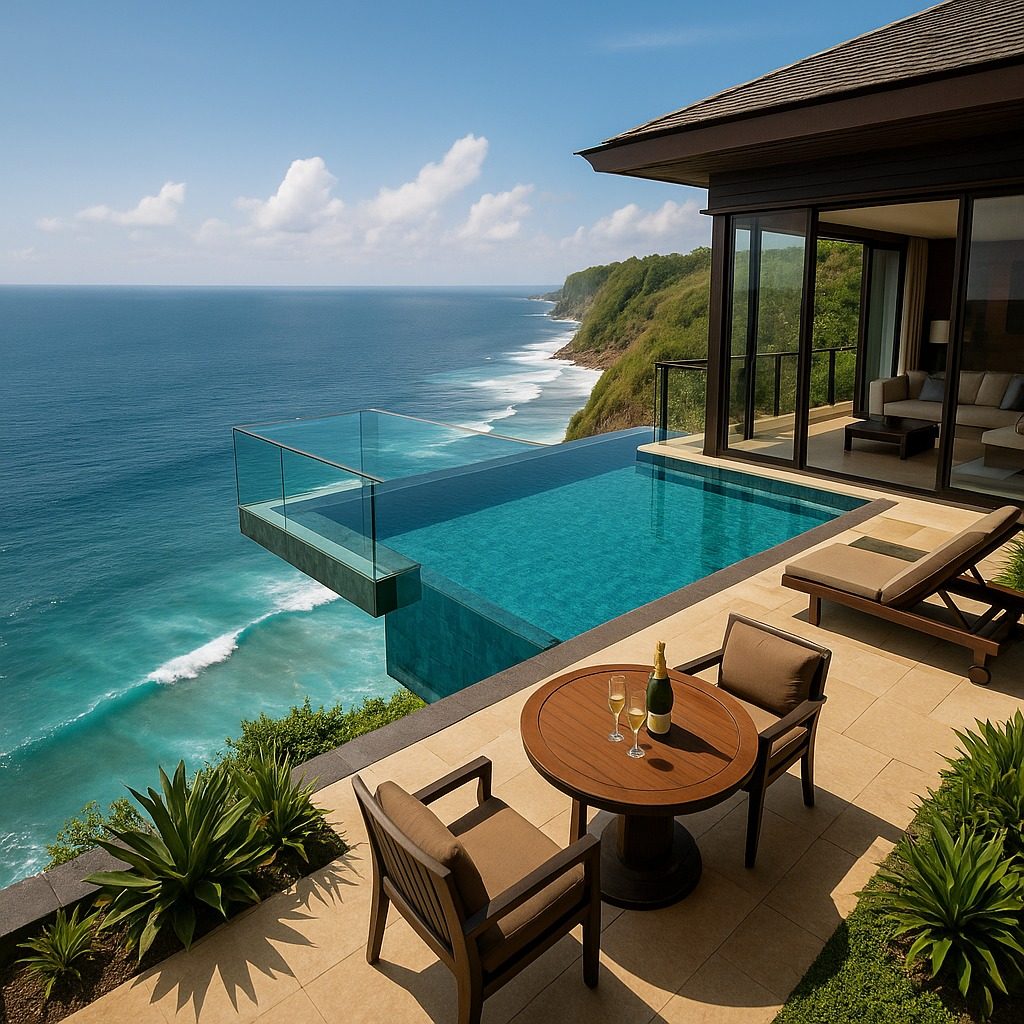
For travelers who prefer clean lines and wellness rituals, this hillside retreat layers floor-to-ceiling glass with pale wood and soft textiles. Suites spill onto private decks overlooking vine rows; at sunrise, the hills blush gold and the river mirrors the sky. Hike a marked vineyard trail straight from the lobby, then indulge in treatments using grapeseed oils and mineral clays sourced locally. The infinity pool seems to pour into the valley. The restaurant cooks “from the slopes”—charred leeks with tangy crème fraîche, river trout with dill and lemon, and an apple tart that crackles under the fork. Tastings here lean educational, with side-by-side flights that decode slope, exposure, and vintage.
Winemaker’s House & Half-Timbered Charm
On a cobbled lane near a village square, a centuries-old vintner’s house welcomes with creaking stairs, exposed beams, and lavender on the windowsills. Rooms are intimate, dressed in linen and slate gray, with carafes of estate wine waiting by the bed. The owners pour with pride in their courtyard: floral Kabinett for the afternoon, bone-dry Riesling with supper. A short walk brings you to the river pier for a lazy cruise, or up steeper alleys to chapels and panoramic benches. Breakfast is the kind you remember: crusty bread, local cheeses, apricot jam, and eggs from a neighbor’s farm—simple, seasonal, sincere.
Culinary Estate with Wine Library
Food lovers gravitate to an estate where the kitchen and cellar perform in duet. A glass-walled wine library lines up vintages like constellations; sommeliers guide vertical tastings that reveal how slate, sun, and patience shape a wine. Dinner moves from amuse-bouches in the garden to courses that spotlight regional producers—forest mushrooms, river crayfish, orchard pears—each plate a dialogue with the glass. Rooms are hushed and plush, designed for lingering late into the night with a half-bottle and the soft hush of the valley outside.
Q&A: Plan Your Moselle Escape
Q: When is the best time to visit?
A: Late April to October brings vineyard greens, open terraces, and river cruises. September–October is harvest magic; spring is quieter and great for hiking.
Q: How do I plan tastings without driving?
A: Choose a riverfront base with bike rentals or e-bikes. Many estates are walkable or reachable by ferry. The regional train and riverboats connect key towns.
Q: Which retreats suit couples or families?
A: Couples love castle suites and spa decks with valley views. Families prefer riverfront hotels with larger rooms, bikes, and easy access to flat riverside paths.
Q: Any other hotel ideas to consider?
A: A boutique manor near Bernkastel-Kues with panoramic terraces; a riverside spa hotel in Traben-Trarbach; a vineyard guesthouse outside Cochem with cottage-style suites and a playful garden.
Conclusion: Your Moselle Valley Bliss
In the Moselle, hotels are extensions of the vineyard—a place where breakfast tastes of orchard, afternoons hum with cellar stories, and nights belong to candlelight and slate-cooled Riesling. Whether you favor castle romance, art-nouveau elegance, minimalist spa calm, or half-timbered intimacy, these vineyard retreats turn a stay into an experience—private tastings, terrace sunsets, river-soft mornings—moments that feel quietly exclusive, yet rooted in the valley’s enduring grace.