There are places in Tuscany that feel less like destinations and more like scenes lifted from a dream. Castello Vicchiomaggio is one of them—a storied hilltop castle wrapped in orderly lines of Sangiovese, framed by cypress, and serenaded by the gentle hum of country life. Here, the romance of Chianti Classico isn’t merely observed; it’s lived. Stone archways, sun-warmed courtyards, and a cadence of long lunches set the tone. You arrive for wine and views, and stay for the unhurried rhythm that makes every hour taste richer. “Vineyard elegance” isn’t a slogan; it’s the texture of the day—rustic walls, linens fluttering in a breeze, glasses that refill almost of their own accord, and sunsets that bleed peach and gold over the vines.
A Hilltop Castle with a Living Vineyard
The estate’s spirit is agricultural as much as aristocratic. Rows of vines stitch the landscape in green, while the castle presides with quiet authority. Wander between barrel rooms and rose bushes, watching workers tend the vines; it’s an active, working estate where tradition and terroir guide the calendar. You don’t just take photos of Tuscany here—you step directly into its storyline.
Suites that Breathe Old-World Charm
Guest rooms combine textured history with discreet comfort: terracotta floors, timber beams, wrought-iron beds, and windows that frame the countryside like a painting. Décor leans classic rather than flashy, celebrating patina over polish. Morning light pours across antique armoires; evenings bring the soft hush of the hills. It’s a setting that invites handwritten notes, long baths, and one more page of your book before dinner.
From Cellar to Table
Wine is the estate’s native language. Tastings might begin with a bright, cherry-toned Chianti Classico and crescendo to deeper, oak-kissed expressions. Pair them with pecorino and olive oil pressed from nearby groves, or join a cooking experience where gnocchi is rolled by hand and sauces simmer until they become stories of their own. Dinner—a candlelit spread of hearty Tuscan dishes—becomes a simple kind of ceremony.
The Art of the Slow Day
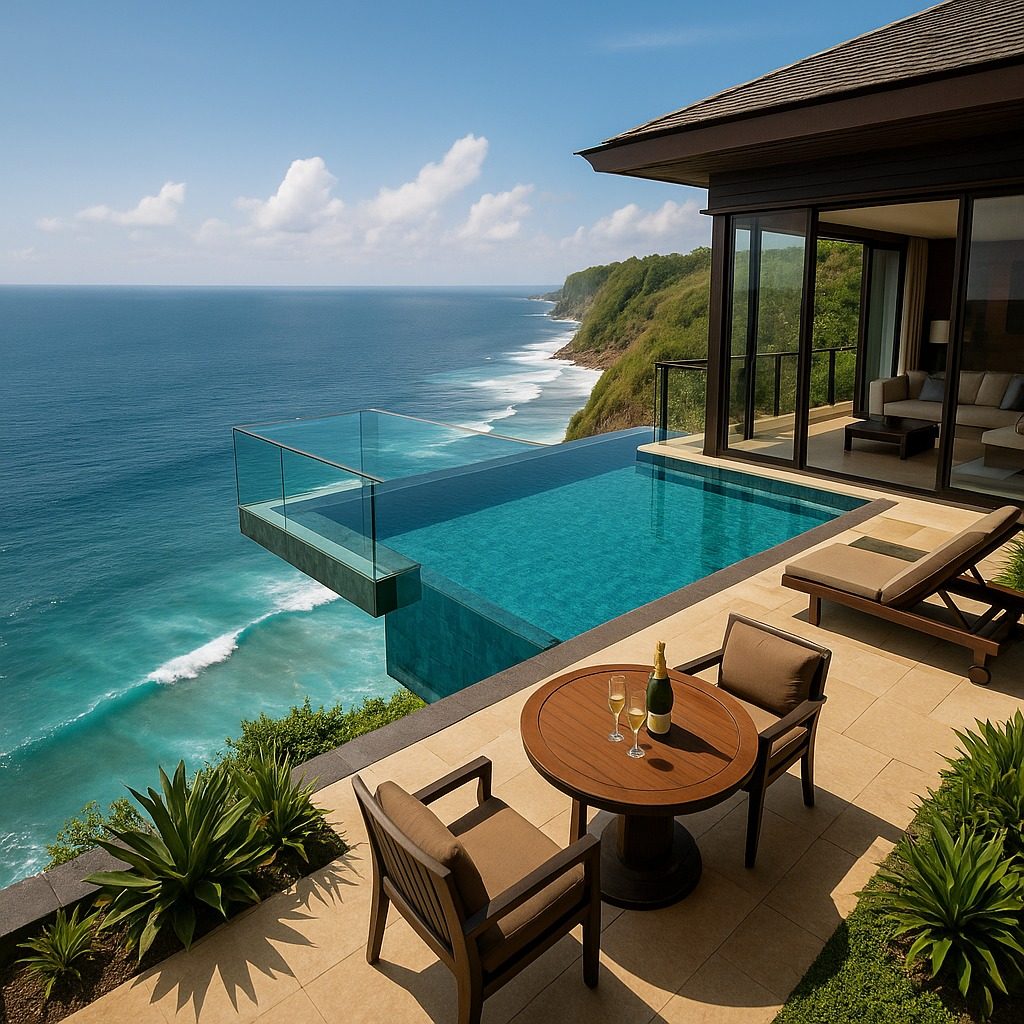
The pool looks out over vineyards like a stage toward an amphitheater of hills. Between swims, stroll the garden paths, read in a shaded loggia, or cycle to a nearby village for espresso and panforte. Afternoons stretch easily: a siesta, a sketch in your notebook, a second espresso, a third glass of wine at golden hour. Night falls under star-splashed skies and the restful quiet that only the countryside can compose.
Seasons of Chianti
Each season reshapes the mood. Spring is fresh basil and wildflowers. Summer lingers long and late, all alfresco suppers and fireflies. Harvest brings the noble bustle of grapes and barrels, a behind-the-scenes glimpse of alchemy. Winter trades sunlit terraces for fireside tastings—intimate, reflective, and wonderfully cozy.
Q&A and Nearby Hotel Ideas
Q: What makes Castello Vicchiomaggio special?
A: Its authenticity. This is a working wine estate with a castle at its heart, where the luxuries are space, quiet, and deeply rooted tradition—paired with estate-made wines and timeless views.
Q: Who will love it most?
A: Couples seeking romance, friends celebrating milestones, and anyone who finds joy in vineyard life, culinary craft, and days that unfold without hurry.
Q: What can I do nearby?
A: Explore Chianti’s hill towns, call into Greve’s artisanal shops, book an e-bike route through vine-draped lanes, or spend a morning at a local market before a leisurely lunch.
Q: When is the best time to visit?
A: Late spring and early autumn are idyllic, balancing pleasant temperatures with cinematic light. Harvest time adds excitement; winter offers quiet contemplation beside the fire.
Q: Any alternative stays with a similar mood?
A: Yes—consider these thoughtfully curated options:
• Rosewood Castiglion del Bosco (Montalcino): a refined countryside estate with exceptional dining and private villas.
• Castello Banfi – Il Borgo (Montalcino): vineyard immersion with polished hospitality and broad valley views.
• Il Borro Relais & Châteaux (Arezzo): a restored medieval village blending craftsmanship, wine, and nature.
• Villa di Piazzano (near Cortona): a Renaissance residence with gracious gardens and a relaxed, elegant rhythm.
Conclusion: The Privilege of Presence
To embrace vineyard elegance at Castello Vicchiomaggio is to claim a rare luxury: presence. The castle’s stone keeps time differently—measured not by minutes, but by glasses poured, pages turned, and shadows drifting across the vines. Whether you’re learning the subtleties of Chianti Classico, lingering over a farmhouse lunch, or listening to dusk settle on the hills, the experience feels at once intimate and expansive. You leave with more than photos—you carry a quieter heartbeat, a deeper breath, and the sense that Tuscany has welcomed you into its inner circle. That is the exclusive promise here: not spectacle, but belonging—with the vineyard as your companion and the castle as your calm.