There’s a special kind of luxury that doesn’t shout—it whispers through stone corridors, creaking staircases, and sun-warmed courtyards. “Eternity Hotels” are where time slows, where the architecture carries memory, and where every ritual—tea at twilight, a bell ringing the hour, a key turning in an old brass lock—makes you feel part of a story that began long before you arrived. These are stays that celebrate place, craftsmanship, and continuity, transforming noble residences, monasteries, forts, and waterfront warehouses into living salons of culture and comfort.
The Palace Above the Square
Wake to the hush of a historic plaza and watch the city stretch into its morning rhythm from a balcony once reserved for dignitaries. Inside, colonnades and hand-laid mosaic floors frame salons softened by velvet settees and antique mirrors. Service is etiquette-driven yet warm—silver pots for breakfast, white-gloved turndown, and a concierge who knows every hidden chapel and private atelier. By evening, a string quartet animates the grand staircase while guests toast the sunset with flutes of local sparkling wine. Optional curator-led access to palace museums after hours turns a simple walk into a private audience with history.
The Fortress on the Cliffs
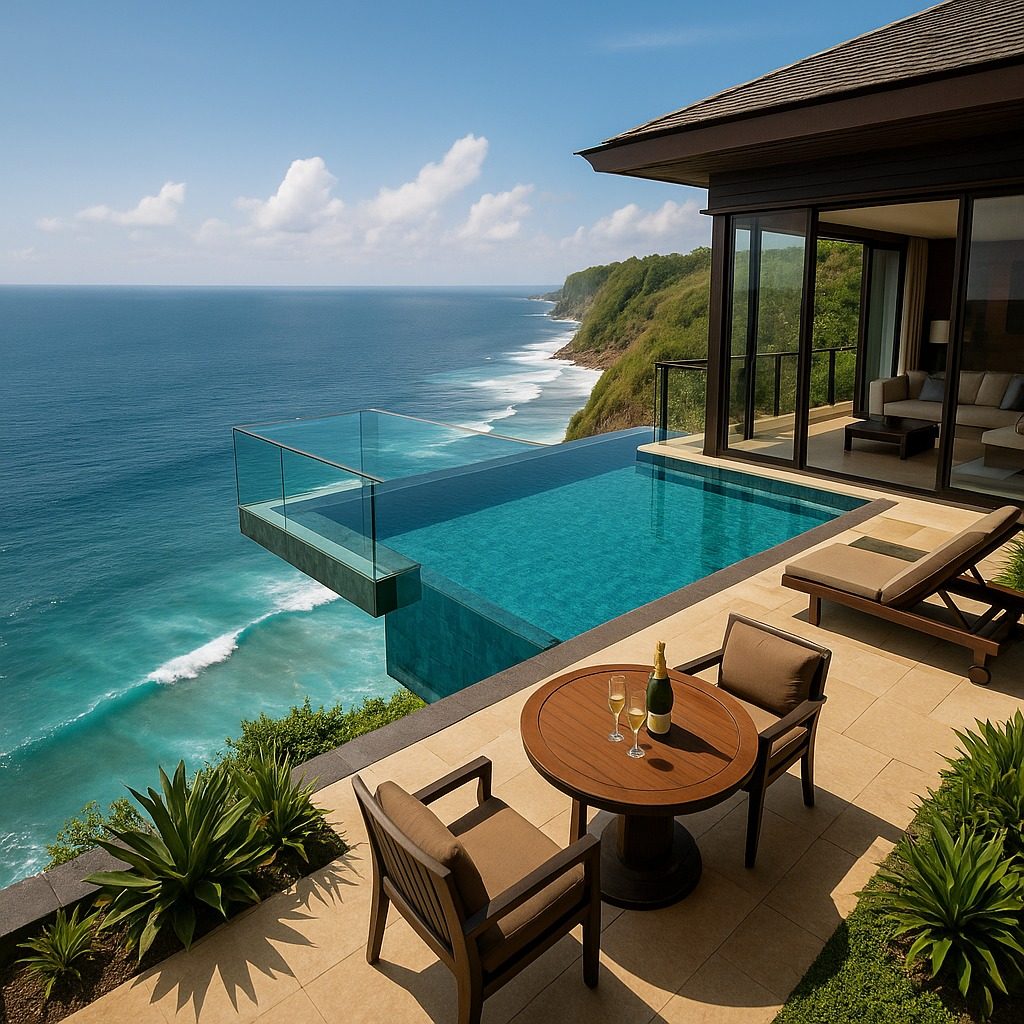
Chiseled from stone and salt air, this former citadel commands the coast from ramparts that now host dawn yoga and star-splashed nightcaps. Suites tuck into old bastions, marrying limewash walls and reclaimed timbers with soundless air systems and cloudlike bedding. The old cistern becomes a candlelit dining chamber; the lighthouse path is a sunrise ritual with a resident naturalist. You’ll feel the wind, taste the sea, and sleep behind walls that once guarded caravels and commerce—now repurposed to guard your serenity.
The Caravanserai at the Desert Gate
Once a sanctuary for spice traders, this arcaded inn gathers travelers around jasmine courtyards and trickling fountains. Rooms open onto palm-shaded pools, where mint tea and date pastries appear as if by magic. At dusk, a master perfumer hosts a workshop in scent blending; after dinner, an astronomer reveals constellations as the desert exhales cool night air. Traditional plaster work and handwoven kilims set the mood, while quiet technology hides behind carved screens to keep rooms crisp and comfortable.
The Monastery in the Hills
Here, time is measured by light and bell chime. Cloisters wrap around rose gardens; a vaulted library guards centuries of wisdom (with facsimiles guests can touch). Breakfast brings orchard honey and warm bread from the old abbey oven. Afternoons are for contemplative walks through the terraced vineyard or a private organ recital in the chapel. At supper, a chef reimagines monastic recipes—herb broths, mountain cheeses, and seasonal vegetables—paired with wines bottled from the hillside rows you admired at noon.
The Warehouse by the Old Harbor
Industrial romance meets maritime lore in a brick-and-iron warehouse reborn as a waterfront design hotel. Loft suites soar beneath trusses and rivets, dressed with linen, leather, and gallery-caliber photography. Roll the windows open to watch tugboats choreograph the tides. The bar pours a tasting flight of fortified wines while a resident historian spins tales of shipwrights and spice traders. Borrow a heritage-tram pass, meet artisans in their workshops, and return for a chef’s menu that riffs on dockside classics—smoked fish, coal-seared vegetables, citrus, and brine.
Q&A: Make the Most of Your Heritage Stay
Why choose a heritage hotel over a modern build?
For sense of place. You’re not just near the city’s soul—you’re in it. Materials, rituals, and layout tell you where you are before a single brochure does.
Are heritage properties accessible and family-friendly?
Many are. Look for lifts added during restoration, ground-level rooms, and family programs like treasure hunts or craft sessions. Confirm stair counts and bathroom layouts before booking.
How do I pick the right one?
Match the story to your mood. Palaces feel ceremonial; monasteries calm; forts dramatic; waterfront warehouses creative. Check for thoughtful upgrades (quiet HVAC, good plumbing), cultural programming (tours, concerts, tastings), and soundproofing if the hotel fronts a lively square.
When’s the best time to go?
Shoulder seasons—spring and early autumn—balance gentler weather with calmer crowds, letting architecture and service take center stage.
Any other standout heritage hotels to consider?
- The Gritti Palace, Venice — canal-front grandeur and artisan heritage.
- Raffles Singapore — colonial-era icon with impeccable rituals.
- Taj Lake Palace, Udaipur — a luminous island palace experience.
- Parador de Granada, Spain — Moorish echoes beside palace gardens.
- Ashford Castle, Ireland — storybook turrets with modern polish.
- Hôtel de Crillon, Paris — neoclassical splendor on a historic square.
Conclusion: Where Time Becomes a Privilege
“Eternity Hotels” prove that true luxury is not newness—it’s continuity. To sleep under centuries-old beams, to dine where envoys once negotiated, to hear waves paw at fortress walls or bells carry over a valley—this is travel that lingers. In these iconic heritage locations, exclusivity comes not from velvet ropes but from intimacy with place: private curator hours, terraces that frame a city like a painting, recipes revived from forgotten manuscripts, and artisans who teach you their craft. Check in for comfort; check out with a chapter of history that now includes your name.