Some places feel like a soft conversation between past and present—a dialogue you enter the moment the doors open and the noise of travel dissolves. “Harmony hotels” are built on that promise. They don’t just borrow local aesthetics; they live them. Hand-carved doors creak the way they have for generations, breakfast is seasoned with stories, and wellness rituals are rooted in heritage rather than trend. In these rare stays, the setting becomes a guide, the staff your interpreters, and every detail—fragrance, fabric, flavor—nudges you toward a deeper, quieter version of yourself. Below, four stays exemplify how culture and calm can meet in the most unforced, restorative way.
Dar Zarifa, Marrakech – A Riad of Quiet Courtyards
Hidden behind an unmarked wooden door in the Medina, Dar Zarifa reveals a world of zellige mosaics, citrus trees, and a central fountain that murmurs like a lullaby. Rooms circle the courtyard, each trimmed with cedar ceilings and handwoven sabra silk. Your day begins with mint tea poured high to aerate and cool, followed by a hammam ritual using black olive soap and rhassoul clay. Evenings bring Gnawa strings drifting over lantern light on the rooftop terrace. The calm here isn’t silence—it’s a rhythm: market bustle outside, measured hospitality within, and a feeling that time has decided to walk, not run.
Sora-no-Mori Ryokan, Kyoto – Rituals in Whispering Bamboo
At the edge of Arashiyama’s bamboo groves, Sora-no-Mori reinterprets the ryokan tradition with featherlight modernity. You slip into tatami rooms where shoji screens catch morning sun like rice-paper sails. A tea master leads a quiet chanoyu, explaining gestures that say more than words; a multi-course kaiseki dinner turns seasonality into ceremony. The onsen—fed by a mineral spring—steams in the cool air, and you’re given a yukata to pad softly between bath and garden. Calm emerges from precision: everything in its right place, attentive but unhurried, as if the inn and the forest agreed long ago on the tempo of your rest.
Hacienda Luz Serena, Sacred Valley – Andean Warmth at Golden Hour
Adobe walls and alpaca textiles set the tone at Luz Serena, where the cobbled courtyard glows honey-gold at sunset. Quechua weavers demonstrate centuries-old techniques beside terraced gardens of quinoa and huacatay; later, you share a pachamanca feast baked in earth-warm stones. Dawn brings coca tea and a short walk to a viewpoint where condors ride thermals over the valley. In the spa, herbs gathered by local healers infuse hot compresses that melt travel-tight shoulders. Culture here isn’t a performance—it’s participation. You learn, you taste, you breathe higher air, and leave with a slower pulse that seems to match the mountains.
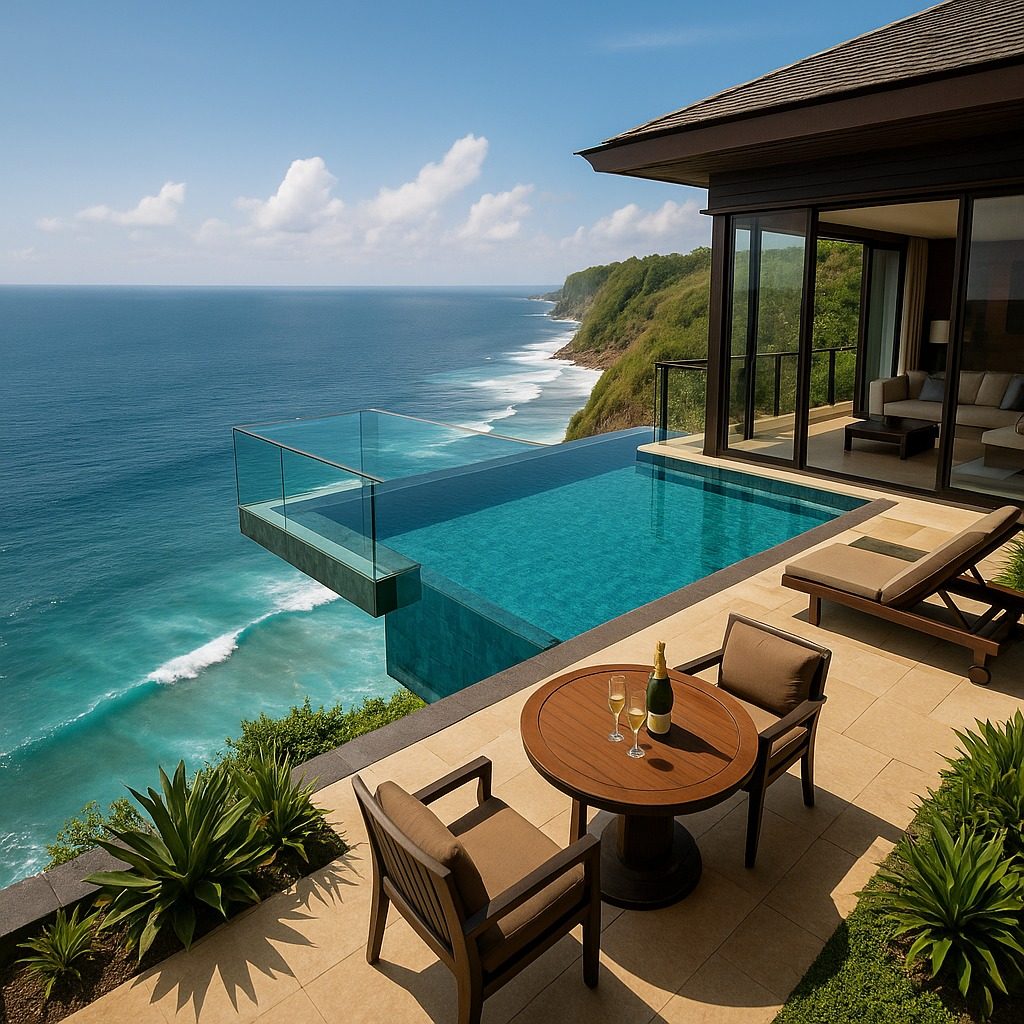
Taman Saraswati Heritage Retreat, Ubud – Blessings Among the Rice Terraces
Set along a ridge of swaying paddies, Taman Saraswati is a cluster of pavilions carved with lotus and myth. Mornings begin with a canang sari offering—petals and incense arranged with mindful hands—before a meditation led by a local priest. Lunch might be smoked duck with young coconut salad; afternoons drift into a jamu workshop where turmeric and tamarind turn into an amber tonic. As dusk settles, gamelan music flickers like fireflies across the garden stage. The calm here is elemental: water in the subak canals, wind in the palms, and a sense that you’re being quietly welcomed into a living philosophy.
Q&A: Your Harmony-Hotel Playbook
What makes a “harmony hotel” different from a themed resort?
Depth and intention. Rather than staging culture, these properties collaborate with local artisans, cooks, and guides, embedding traditions into architecture, menus, and wellness.
Are they suitable for families or first-time cultural travelers?
Yes. Many offer beginner-friendly workshops—tea, textiles, music—so kids and adults can engage without pressure. Staff serve as patient cultural interpreters.
When is the best time to go?
Aim for shoulder seasons when temperatures are kinder and crowds thin. You’ll have more meaningful time with local hosts and calmer spaces to unwind.
How can I tell if a property is authentic?
Look for transparent community partnerships, locally sourced materials, and experiences led by practitioners—not just performers. Reviews that mention learning and generosity (not just décor) are a good sign.
Other hotel ideas with the same spirit?
- Kasbah Calm, Skoura Oasis, Morocco – Palm-frond shade, mud-brick craft, starlit terraces.
- Tea Garden Lodge, Nuwara Eliya, Sri Lanka – Field-to-cup tastings, planter-era charm.
- Sabi River Homestead, South Africa – Story-led game drives, fireside heritage cuisine.
- Ionian Stone Suites, Puglia, Italy – Trullo architecture, olive-oil rituals, seaside naps.
- Desert Lantern Camp, Wadi Rum, Jordan – Bedouin hospitality beneath a Milky Way sky.
Conclusion: Where Stillness Learns a Language
Harmony hotels show that calm is not an escape from culture but a way into it. You rest better because the place is honest—rooms shaped by traditions that serve the body and honor the people who keep them alive. Whether you’re soaking in a Kyoto onsen, sharing bread from an Andean earth oven, or listening to gamelan at dusk in Ubud, the feeling is the same: you are being cared for by a story larger than yourself. And that’s the quiet luxury these hotels offer—rest that lingers, wisdom that travels home with you.