There’s a particular hush that falls over a landscape lined with vines. It isn’t silence, exactly—it’s a soft rhythm: leaves brushing in the breeze, a cork easing from a bottle, gravel crunching as you wander between rows. “Harmony Hotels Surrounded by Vineyard Valleys” capture that rhythm and turn it into an experience. These retreats celebrate balance—between nature and design, indulgence and simplicity, tradition and innovation—so every moment, from sunrise tastings to candlelit dinners, feels tuned to the landscape.
Suites Composed in Green and Gold
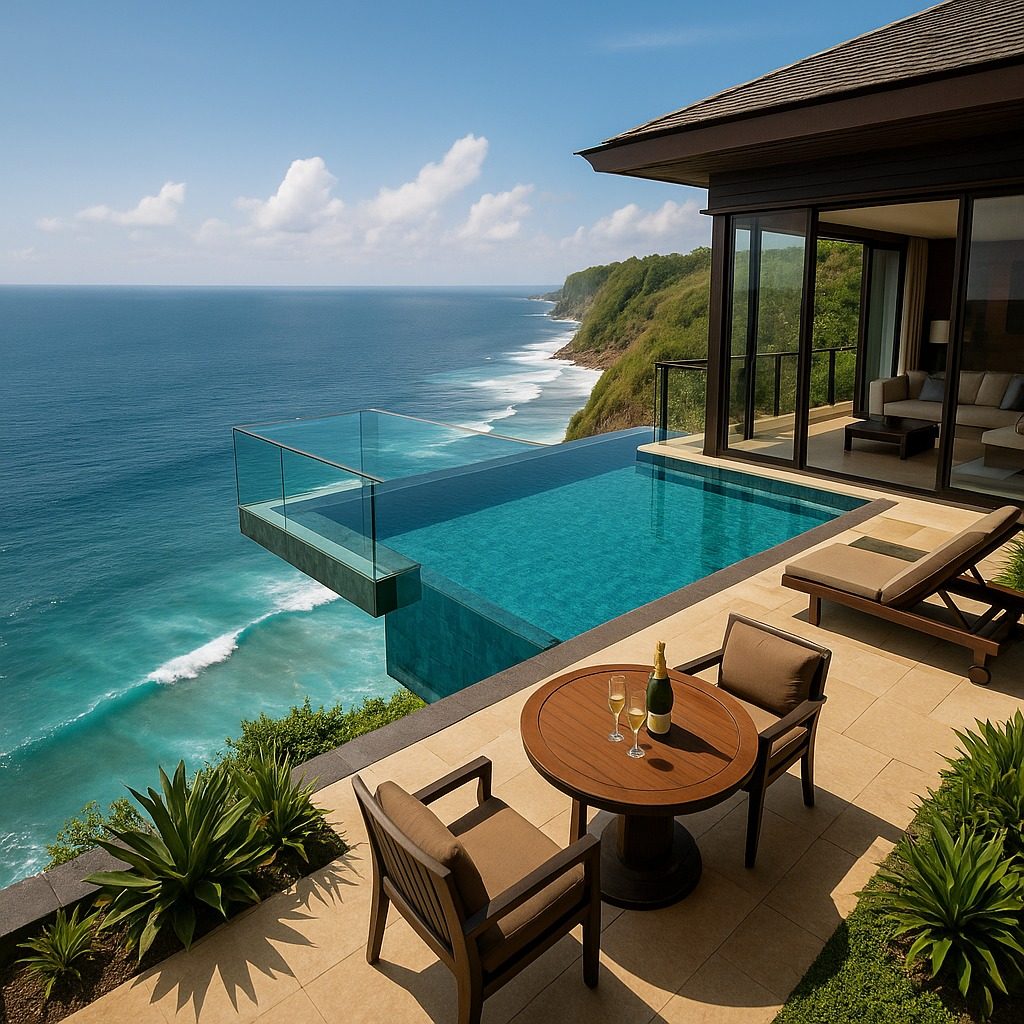
Rooms at vineyard hotels are designed to frame the view rather than compete with it. Expect floor-to-ceiling windows, stone and timber textures, and palettes that echo the vines—sage, olive, and sun-washed straw. On a terrace, chaise lounges invite slow mornings with espresso while fog lifts off the valley. Inside, details are quietly luxurious: linen throws, hand-thrown ceramics, a welcome tray with estate olive oil, and a half bottle from the hotel’s own label.
Cellar-to-Table Dining
Dinner begins in the soil. Chefs here think in seasons and micro-terroirs: asparagus and peas in spring; heirloom tomatoes with basil and burrata by midsummer; wild mushrooms, truffles, or chestnuts when the air turns crisp. Menus are built around pairings that tell a story—perhaps a citrus-zested sea bass beside a mineral-bright white, or slow-braised short rib whose richness hums alongside a bold, barrel-aged red. Expect chef’s gardens, producers on a first-name basis, and pastry that leans on orchard fruit rather than sugar.
Rituals of Slowness
Harmony is a practice. At these hotels, it might look like a guided sunrise walk through dew-tipped rows, picking a grape and tasting how cool morning air tightens its sweetness. Afternoons drift by in a spa that uses grape-seed oils and botanical infusions, followed by a soak overlooking the vines. Come evening, a sommelier leads a comparative tasting—same varietal, different slopes—so you can feel how a few meters of elevation reshape a flavor. Night ends by the firepit, stars bright enough to read constellations as softly as labels.
Architecture That Belongs
Buildings settle into the land here. Think restored farmhouses with terracotta roofs, contemporary stone volumes folded into hillsides, and courtyards that funnel breezes through perfumed lavender. Paths are gravel or earth, not marble; shade comes from pergolas draped in wisteria, not neon canopies. The result is a calm, grounded aesthetic: places that feel discovered rather than built.
Immersion Beyond the Glass
Yes, you’ll taste, swirl, and compare—but vineyard hotels also open the door to the region’s broader character. In Tuscany, cycle past cypress alleys to a village bakery. In the Douro, boat along terraced river bends that look hand-drawn. In the Cape Winelands, hike fynbos trails before a South African braai. In Mendoza, ride horseback at golden hour with the Andes turning rose. Each landscape offers its own tempo; the hotel simply helps you keep time.
Q&A: Planning Your Vineyard Valley Escape
What makes a “harmony” hotel different from a standard wine resort?
Harmony hotels treat wine as one voice in a chorus. Design, wellness, ecology, and cuisine are given equal weight. You won’t just tour a cellar—you’ll learn why the soil matters, how seasons translate to plate, and where architecture meets microclimate. The aim is resonance rather than spectacle.
When is the best time to visit?
Late spring and early autumn are ideal. Spring brings blossom, cool mornings, and bright, herb-laced dishes. Autumn offers harvest energy—crates, clippers, and the heady scent of ferment—plus deeper flavors in both kitchen and glass. Summer is vibrant but warmer; winter is contemplative, perfect for fireplaces, library tastings, and long spa afternoons.
How long should I stay?
Three nights let you settle in: one day for the estate, one for nearby wineries, and one for a regional excursion—hiking, cycling, or a cooking class. If you’re crossing continents, add a fourth night to embrace the slow rhythm fully.
Which vineyard hotels are worth considering?
For old-world romance, look to Six Senses Douro Valley (Portugal) for river-terrace serenity and deep cellar programs; Leeu Estates (Franschhoek, South Africa) for sculpture-studded gardens and polished Cape cuisine; Castello di Casole, A Belmond Hotel (Tuscany, Italy) for restored-estate grandeur; and Auberge du Soleil (Napa Valley, USA) for art-dotted terraces and refined, Mediterranean-leaning dining. Farther afield, The Vines Resort & Spa (Mendoza, Argentina) brings Andes drama, and Quinta da Pacheca (Douro, Portugal) adds whimsical wine-barrel suites to classic hospitality. Each pairs terroir with thoughtful design and an easy proximity to standout producers.
Do I need to be a wine expert?
Not at all. Good teams meet you where you are—curious beginner or seasoned palate. Tastings are conversational, not academic; you’ll leave understanding your preferences and why they make sense.
Conclusion: Where Everything Sings in Tune
“Harmony Hotels Surrounded by Vineyard Valleys” offer more than a beautiful setting—they’re a study in balance. Flavor meets landscape, architecture meets climate, and your pace meets the valley’s own steady heartbeat. Come for the wine, stay for the quiet rituals: the first light on the vines, the way rosemary scents the afternoon, the hush before a cork’s soft sigh. Leave with a deeper appreciation of place—and the feeling that, for a few days, life, like a well-made blend, came together beautifully.